

You learn a lot when you're afraid of looking stupid.
Fear is a lousy teacher - but it's painfully effective.

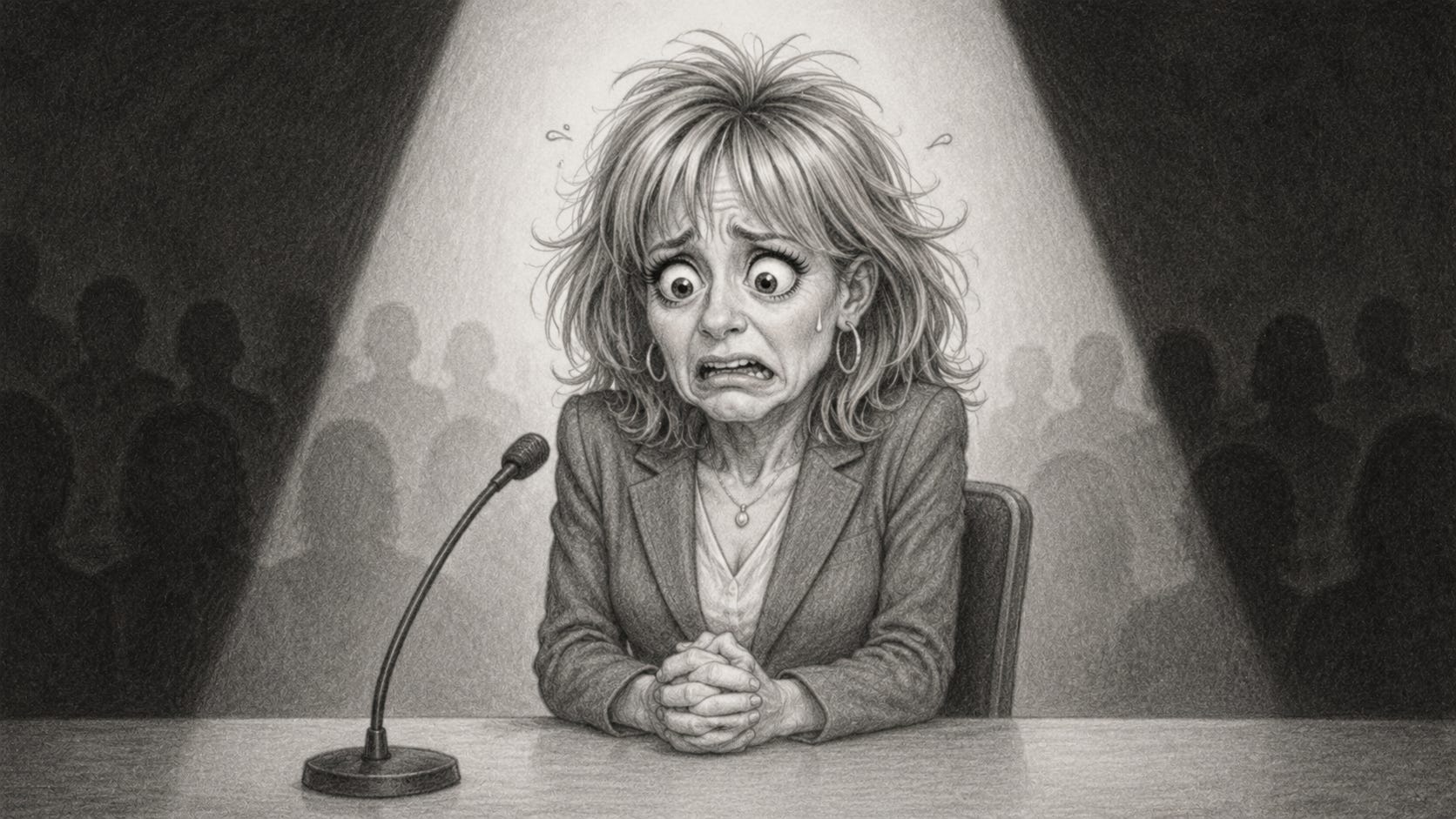
When you continually feel like an undercover idiot, you develop intricate systems and powerful skills to avoid looking like one.
It’s a terrible - and terribly inefficient - way to learn, but it does produce results. For me, and for others.
Because what I create to keep myself from looking stupid often makes things clearer for other people.
I’m accidentally useful.
I’m not claiming expertise. But I can point to a few things I do pretty well.
How to figure things out
If you hand me a problem, I won’t stop until I’ve solved it.
The problem could be as complex as devising a full-blown department strategy or as simple as finding anchovy paste at the grocery store (just FYI - wherever it is you think it might be, it isn’t).
And I’ll do it without ever asking anyone for help.
Which is how you end up spending half an hour haunting the aisles of ShopRite.
I view it as self-sufficiency, but the truth is this: asking for help will expose my ignorance - and that is something I am desperately trying to hide.
So it’s not healthy self-sufficiency. But it works.
I’ll spend hours searching the internet, scouring old emails, shared drives, meeting notes - whatever might contain a piece of the puzzle, however tiny it may be.
I’m a digital bloodhound.
Ironically, in doing all the panicked background research, I become unnecessarily but undeniably well-versed in that particular topic.
Suddenly I’m the go-to. You can come to me for whatever you need on the subject - I’ll have what you need.
Or if I don’t, I’ll surreptitiously dig until I find it.
My resourcefulness means people trust me to solve things. They just don’t realize the lengths I’ll go to in the process of doing it.
How to prepare like your life depends on it
When I was fresh out of college, someone thought it was a good idea to make me part of a panel discussion on the media’s role in shaping the narrative around women’s issues.
Because I was a reporter who was a woman. Those were my qualifications.
As happens during panel discussions, someone asked me a question.
I don’t remember the question. I do remember my utter inability to give a coherent answer.
Not a feeling I ever want to have again.
Which is why I do what I need to do to ensure I’m not caught unaware by a stray question in a meeting. Or a sudden quiz from the CEO as I’m tucking into my turkey sandwich. Because, you know - that happens.
So I overprepare.
For everything.
My presentation prep is epic. I research, I outline, I create an exhaustive list of potential counterarguments and how I’d respond to them. Then I write the screenplay - what I’m going to say, how I’m going to say it, the seemingly off-the-cuff jokes I’ll sprinkle in to keep it from sounding too scripted.
Then I’ll practice. In my head, in the car, in the shower - anywhere I won’t be heard. By the time I hit the stage, I will have rehearsed that thing to within an inch of its life.
The same thing happens before interviews, difficult conversations, meetings - even casual professional interactions that no normal person would consider an “event.”
My brain treats even a quick check-in like a Senate confirmation hearing: hours of drafting, re-drafting, war-gaming, and tracking down every possible detail.
I prepare obsessively so I won’t feel exposed.
At some point, the things I did to protect myself became the things I knew how to do for other people.
How to keep others from feeling exposed
When you know what it feels like to be confused, intimidated, or secretly worried you’re the only one who doesn’t understand, you want to protect others from ever feeling that way.
I take pains to explain things clearly and anticipate where someone might get lost. I work in the answers to any questions someone might think are too dumb to ask so they don’t have to ask them.
And I create all the backup materials anyone could possibly imagine.
Which generally go unused because, let’s face it: not many people fear embarrassment like I do. They’re fine asking questions when they need to.
But for anyone who isn’t, I have their back.
I never want anyone to experience the hot glare of judgment I felt that day during the panel discussion. So I arm them with everything they could possibly need.
Somewhere in the bowels of the internet, on a shared drive that hasn’t been accessed in years, are reams of one-pagers, FAQs, templates, and walk-throughs I’ve created for very specific situations no one remembers.
While I’m grateful for the things I’ve learned, I’ve gotta say:
This particular education was expensive.
The main cost was time. The hours I’ve spent chasing down minutiae for a just-in-case situation, or polishing the graphics on a slide people will see for 20 seconds, or planning for every possible contingency, however unlikely.
I wonder what I could have done with all that time if I’d just trusted myself a little bit more, or acknowledged that it’s OK to not know something. That no one is judging me for not knowing everything.
I mean - if I had just asked the ShopRite manager where the anchovy paste was, I’m pretty sure I could have freed up time to figure out what the hell to do with it.


This is so good! I used to say “I’ll solve problems I don’t even have” 😅